Corrosion & Bead Repair
When the Wheel Is Causing the Leak
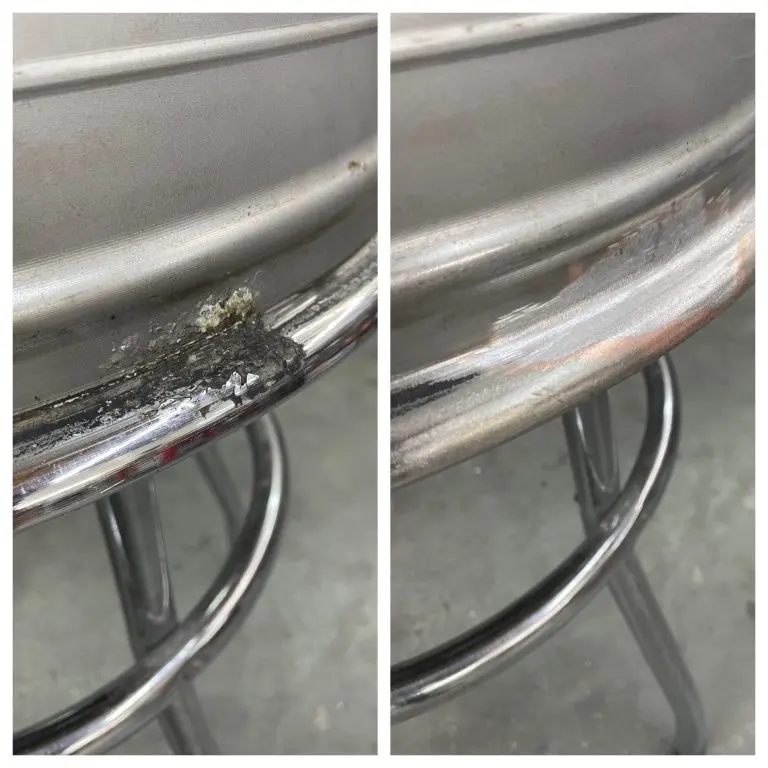
A tire that keeps losing air does not always have a puncture. Corrosion can build up where the tire bead meets the wheel, preventing the tire from forming a proper seal.
Absolute Wheel Repair can remove corrosion from the bead area, prepare the sealing surface and reseat the tire. This problem is especially common on aging chrome wheels, but corrosion-related leaks can occur on other types of wheels as well.
Common Bead & Corrosion Problems
A slow leak around the wheel can have several causes. We inspect the wheel and tire before recommending the appropriate repair.
Bead-Area Corrosion
Corrosion where the tire meets the wheel can create an uneven sealing surface and allow air to escape.
Chrome Wheel Corrosion
Aging chrome wheels can develop corrosion around the bead that interferes with proper tire seating and contributes to recurring leaks.
Improper Bead Seal
Contamination, corrosion or damage along the bead surface can prevent the tire from sealing evenly against the wheel.
Recurring Air Loss
If a tire repeatedly loses pressure without an obvious puncture, the wheel and bead area should be inspected for another source of the leak.
Our Bead Repair Process
The goal is straightforward: identify the source of the leak, restore a clean sealing surface and make sure the tire seats properly against the wheel.
1
Inspect
We inspect the wheel and tire to identify the source of the air loss and condition of the bead area.
2
Remove Corrosion
Corrosion and buildup are removed from the affected bead area to restore a cleaner, more even sealing surface.
3
Reseat
The tire is properly reseated against the prepared wheel surface to restore the seal.
4
Verify
We check the completed wheel and tire to confirm the repair before returning the vehicle or wheel.
We Look Beyond the Bead
Corrosion may explain the leak, but it is not the only possibility. Every wheel gets a Four-Point Inspection so we can identify other wheel or tire issues before recommending work.
Bend Inspection
We check for bends, flat spots, out-of-round conditions and structural deformation.
Crack Inspection
We look for cracks, previous welds, stress fractures and potential air leaks.
Cosmetic Inspection
Curb rash, scratches, corrosion, peeling clear coat and previous repairs are evaluated.
Tire Inspection
We check for punctures, leaks, uneven wear, sidewall damage, dry rot, bulges and tread concerns.
Corrosion & Bead Repair Pricing
Pricing depends on the wheel finish and condition of the bead area. We inspect the wheel before confirming the recommended service.
Final pricing depends on wheel finish, condition and the extent of corrosion. Additional wheel or tire damage may require separate repair. Final recommendations are subject to inspection.
Tire Keeps Losing Air?
Let us inspect the wheel and tire. If corrosion around the bead is preventing a proper seal, we'll identify it and recommend the appropriate repair.